top of page
.png)
.jpg)
Product Gallery
Fire Busters uses only the newest and most modern in fire sprinkler system technology and processes. Have a look through the sprinkler heads that we offer. The sleek and functional designs that we provide will ensure that your home sprinkler system is both aesthetically pleasing as well as highly efficient in protecting your home and your budget.
Not sure which sprinkler style will work for you?
Wood Grain Pattern Sprinklers


Flat Concealed Sprinklers


Dome Sprinklers


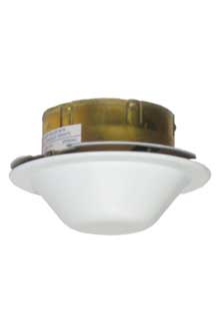


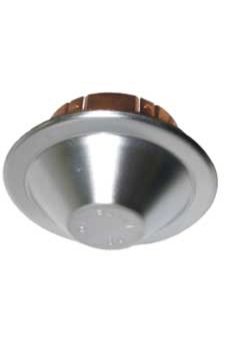


Flush Pendent Sprinklers


Glass Bulb Sprinklers


Get a Free Quote!
Frequently asked questions
Once a sprinkler contractor has been selected, they will begin by developing a blueprint layout of your home and the sprinkler piping required. The piping is hydraulically calculated to determine the adequate piping size required for your home. Following this the blueprint will be submitted to the local authority for their approval if required. In new homes, the installation of the sprinkler system is done along with the other trades, usually just after the electrical rough in is complete.
Sprinkler piping is installed throughout a home to feed the sprinklers as per the blueprint. This piping is connected to the water supply, and then each system is tested to 200 pounds of pressure to ensure that there are no piping deficiencies. Once gyproc is completed and painting is all finished, the sprinkler heads are ready to be finished. The protective sprinkler cover is removed and the finish sprinkler trim is installed. Your sprinkler system is now on standby to protect your life and property, 24 hours a day, 7 days a week, 365 days a year. It’s like having a fire fighter in every room.
(Typical copper piping and blazemaster CPVC plastic sprinkler piping is used for residential sprinkler systems.)(A protective cap is installed on each sprinkler during construction, during the finishing stages of the house [after painting] the cap is removed and the finishing trim [cup/ring] is installed)
A sprinkler system can be installed easily in any new or existing home. It is easier and less expensive to install during a renovation or during the initial construction stage. In addition, sprinklers can be installed in all existing homes as well. In fact, we are able to install pipes in existing attic spaces, or run piping exposed and apply a decorative covering material called “Deco Shield” to hide the piping for aesthetics purposes. Our extensive experience with all types of homes assures you the best possible installation.
(For existing systems a decorative cover material called “Deco Shield” is available to cover the piping for aesthetic purposes, piping on the left side of this image has been covered with “Deco Shield”)
A pump and water storage tank may be used if there is not an adequate water supply available to the home from a municipal supply. Tanks can be purchased in almost any size and shape. The key is planning; talk to your sprinkler contractor early in the construction stage to ensure they can provide you with the most economical solution to meet the sprinkler system requirements. If a large tank is required, it will be easier to install before the framing is started.
Homes owners with Fire Sprinkler systems need to be aware of the proper maintanance of those systems. Fire Busters provides the following maintenance manual to all customers at the time of installation.
If you would like to book a Backflow Test or Inspection of your home, please call our office during normal business hours Monday – Friday 8:00am to 4:30pm.
This is probably the single most miss-conception surrounding the residential sprinkler. Only one sprinkler will activate at a time, and that sprinkler will be the one closest to the fire. Don’t be misled by what you see in the movies.
Water Conservation – the Future of Fire Sprinkler Systems
Fire Outcomes in Multi-level Residential Building – Fire Chief Len Garis and Dr. Joseph Clare – January 2012
There are basically two types of residential sprinklers; ceiling mounted PENDENTS and wall mounted SIDEWALLS. A pendent sprinkler is installed in the ceiling and sprays water in a circular pattern. A sidewall sprinkler is installed in a wall 4″ to 6″ down from the ceiling and sprays water in a half moon shape. Pendent sprinklers are the most common type with sidewall sprinklers commonly used in existing installation to be less obtrusive or in new construction to prevent installing pipe in an unheated area. Each sprinkler works exactly the same….. by putting water on the fire.
Advances in technology have allowed for some aesthetically pleasing changes to residential sprinklers. Currently there are many different styles available to easily suit any decor. Sprinklers are available in a wide variety of factory finishes including white, brass, chrome or even black. If this does not suit your decor sprinklers can be specially ordered to match virtually any colour or finish.
No, sprinklers are able to discharge less water to control a fire than a fire department uses. This is because sprinklers act quickly to control a fire. In fact, often the flames have been extinguished before the fire department even arrives.
Flash Over is the point in a fire when every thing in a room ignites because of the temperature. If anyone is in a room at this point they will probably NOT survive. Sprinklers act quickly to control a fire well before flashover occurs. Once flashover occurs the fire is very large and hundreds of gallons of water are required to keep it under control or extinguish it.
Here are some statistics to illustrate this taken from the Scottsdale 10 year report :
Sprinklers discharge 13-30 Gallons per minute
Fire hose discharge 125-225 Gallons per minute
According to the Scottsdale report average fire with sprinklers is 341 US Gallons.
According to the Scottsdale report average fire without sprinkler is 2935 US Gallons.
Average cost of fire in a sprinklered home was $2,166.00.
Average cost of fire in unsprinklered home was $45,019.00.
There were 49 fires in single family homes with fire sprinkler systems. There were NO deaths in the sprinklered homes where 13 people died in homes without sprinklers.
No, because each sprinkler head uses a heat only sensitive mechanism, only the sprinkler over the fire will activate. If the fire continues to spread, then and only then will another sprinkler activate. In most home fires, only one or two sprinklers are actually triggered. Burnt toast or smoke will NOT activate a sprinkler, only heat in excessive of approximately 68ºC /155ºF.
According to the factory Mutual Research Corporation the odds of a sprinkler going off accidentally are 1 in 16 million. You have better odds of getting struck by lighting or winning the lottery than having a sprinkler activate accidentally. All new sprinkler systems use sprinklers and piping that are rated for normal system pressures to 175 psi. These components can withstand pressure far in excess of that for short periods of time. Fire Busters tests all systems to 200 psi for a minimum of 2 hours as is recommended by the manufacturer.
Smoke detectors are effective in detecting smoke from fire, but all too often smoke detectors are disconnected due to false alarms, or the batteries are dead. A smoke detector only senses the smoke from a fire; after that it is your responsibility to act and exit your home quickly. Fire sprinklers not only sense a fire, but they act quickly and discharge water to keep the fire under control. Fire sprinklers are not meant to replace smoke detectors. Smoke detectors are your first line of defense against the deadly smoke. Did you know that you loose your sense of smell when you are asleep?
Sprinklers are not really that expensive. A good estimate for new construction is $1.30 CDN per square foot. Existing buildings are a little more challenging, but easily outfitted. Fire Busters specializes in these installations, thus we have become very good at hiding pipes and keeping the prices within reach. If you compare these costs to the total building package they normally total less than 1%. Is the safety of your family more important than a carpet upgrade or some fancy landscaping? We would be glad to provide a free quotation, please e-mail us for further details.
Is the safety of your family just another option?
No it should not. You should receive a discount for having a residential fire sprinkler system. If you do not receive a discount that you feel is adequate, then shop around.
Many insurance companies offer a discount on their home insurance policies in homes where fire sprinkler systems are present. These discounts are not substantial, but will help pay for a sprinkler system over time. We are presently researching the companies that do offer discounts. Below are some links to companies that currently offer discounts for homes equipped with a fire sprinkler system.
TD Insurance
TD Insurance insurance products and services are designed to provide you with the full protection you need if you suffer a loss and file a claim.
Flashover happens when everything in a room – from an armchair to the television set – becomes super heated and bursts into flames simultaneously. Flashover can occur in as little as three minutes.
Most fire deaths occur in the home when people are asleep – between midnight and 6:00 a.m. Did you know that you lose your sense of smell when you are asleep?
In less than two minutes, you can pass out or even die from poisonous smoke and gases.
Top Causes of Residential Fires In Canada
Smoking Material
Cooking
Heating Equipment
Electrical Equipment
Statics from Canadian Association of Fire Marshals (1992)
Every 2 seconds a fire occurs.
Every 21 seconds someone is burned.
Every 55 seconds a home will burn.
Every 30 Minutes a home fire is reported to the Fire Department.
Someone in Canada dies in a home Fire roughly every 35 hours.
Smoking Material
Cooking
Heating Equipment
Electrical Equipment
Statics from Canadian Association of Fire Marshals (1992)
Every 2 seconds a fire occurs.
Every 21 seconds someone is burned.
Every 55 seconds a home will burn.
Every 30 Minutes a home fire is reported to the Fire Department.
Someone in Canada dies in a home Fire roughly every 35 hours.
Get a Free Quote!
bottom of page